Best Oxygen Concentrator Guide 2026: Sydney Buyer’s Manual
The Ultimate Guide to Choosing an Oxygen Concentrator in Australia

For many residents across Sydney and New South Wales living with chronic respiratory conditions, maintaining an active lifestyle requires a reliable medical oxygen supply. An oxygen concentrator is a life-changing medical device that provides a continuous or pulse flow of oxygen by filtering ambient air.

Unlike traditional oxygen tanks, which require frequent refills and pose safety risks due to high-pressure storage, a concentrator never “runs out” of oxygen as long as it has power. This guide explores the technology, benefits, and local Sydney considerations for selecting the right unit, including the increasingly popular portable oxygen concentrator models.


What is an Oxygen Concentrator?

An oxygen concentrator is an electrically operated medical device that concentrates oxygen from the surrounding room air. The air we breathe is approximately 21% oxygen, 78% nitrogen, and 1% other gases.

The device works by pulling in room air, compressing it, and passing it through sophisticated chemical filters known as zeolite molecular sieves. These sieves adsorb the nitrogen, leaving a concentrated stream of medical-grade oxygen (usually 90% to 95% purity) for the patient.

How the Technology Operates

  1. Air Intake: The machine draws in air from the room.
  2. Compression: An internal compressor increases the air pressure.
  3. Filtration: The air passes through a sieve bed that traps nitrogen.
  4. Delivery: Pure oxygen is delivered to the user via a nasal cannula or face mask.
  5. Regeneration: The trapped nitrogen is safely vented back into the room.

Stationary vs. Portable Oxygen Concentrator: Which is Right for You?

Understanding the difference between home-based units and mobile units is critical for Sydney residents who wish to travel or remain active.

Stationary Oxygen Concentrators

These are larger units designed for 24/7 use at home. They typically offer higher flow rates (up to 5 or 10 liters per minute) and are powered by a standard wall outlet. They are ideal for sleep or for patients with high-flow requirements.

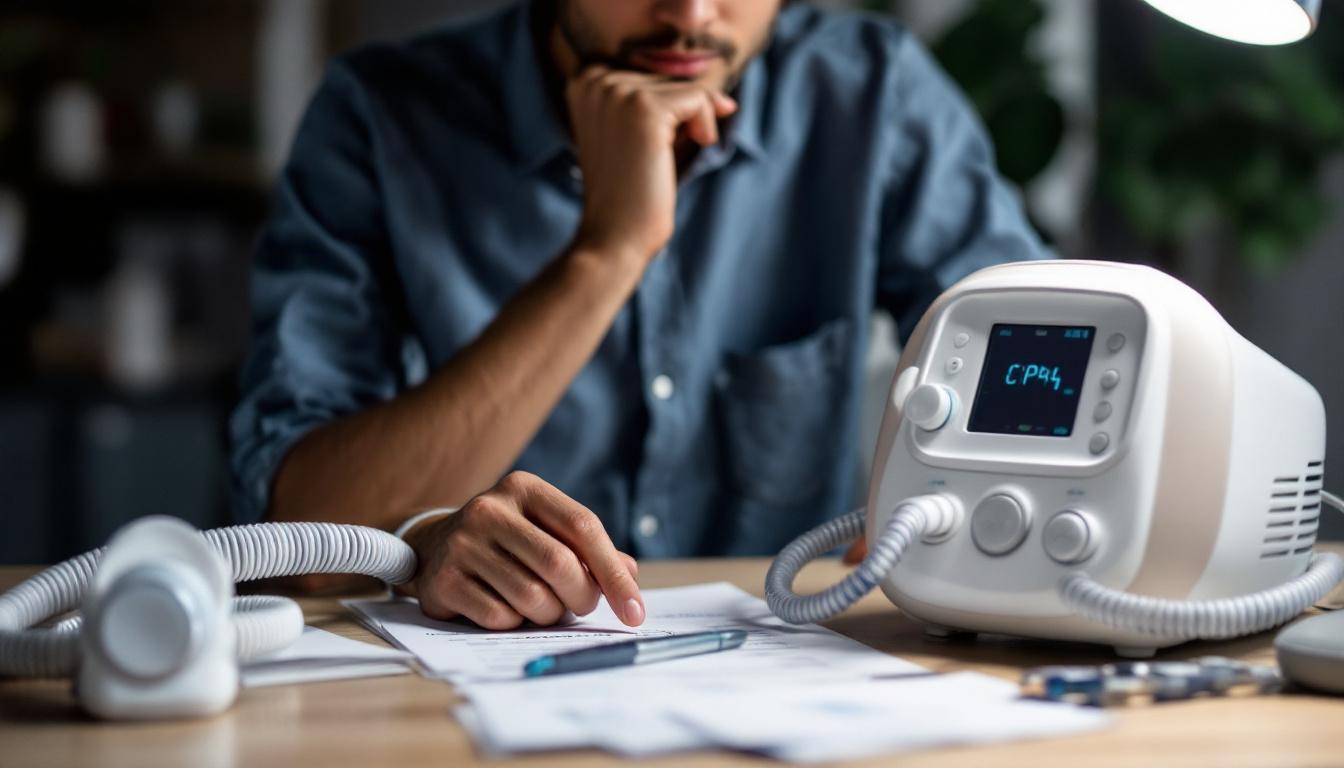
See more: Best CPAP Machines for a Restful Night’s Sleep: Our Top Picks

Portable Oxygen Concentrator (POC)

A portable oxygen concentrator is lightweight, battery-operated, and designed for mobility. Whether you are catching a train at Central Station or flying out of Kingsford Smith Airport, a POC allows you to maintain your oxygen therapy on the go.

FeatureStationary UnitPortable Unit (POC)
Primary PowerAC Wall OutletRechargeable Battery / DC
Weight13kg – 25kg1.5kg – 8kg
Flow TypeContinuous FlowPulse Dose (mostly)
Best UseSleep & Home useTravel, Shopping, Exercise

The Benefits of Modern Oxygen Therapy in Australia

Investing in a high-quality concentrator provides significant advantages over traditional liquid or compressed oxygen cylinders:

  • Cost Efficiency: While the upfront cost is higher, you eliminate the ongoing expense of cylinder refills and delivery fees.
  • Safety: There is no high-pressure gas or flammable liquid stored in the home, reducing fire hazards.
  • Independence: Users are not tethered to a delivery schedule. You produce your own oxygen whenever you need it.
  • Air Travel Compatibility: Most modern POCs are FAA-approved and accepted by airlines like Qantas and Jetstar, provided you have the necessary medical clearance.

Critical Factors for Sydney Buyers

When searching for an oxygen concentrator in the Sydney market, consider these specific local factors:

1. Battery Life for Commuters

Sydney is a sprawling city. If you rely on a portable oxygen concentrator, ensure the battery life exceeds your longest commute plus a 50% buffer. Look for units with “Extended Life” battery options.

2. Service and Maintenance

Ensure the brand you choose has an authorized service center in Australia. Medical devices require periodic sieve bed replacements and filter cleans. Local support in NSW ensures you aren’t without oxygen for weeks during repairs.

3. Climate Considerations

Sydney’s humidity can occasionally affect the longevity of molecular sieves. Storing your unit in a cool, dry place and running it regularly prevents moisture buildup within the filtration system.


Step-by-Step: How to Choose Your Device

oxygen concentrator

Selecting a device should always begin with a consultation with your respiratory physician.

Step 1: Confirm Your Flow Requirements

Your doctor will prescribe a specific flow rate (e.g., 2 Liters Per Minute). Ensure the machine you buy can meet this requirement comfortably without running at its maximum capacity constantly.

Step 2: Choose Between Pulse Dose and Continuous Flow

  • Pulse Dose: Delivers oxygen only when you inhale. This conserves battery and is found in smaller POCs.
  • Continuous Flow: Delivers a steady stream regardless of breathing pattern. Required for most CPAP/BiPAP users.

Step 3: Weight and Portability

If you enjoy walking through the Royal Botanic Garden or coastal tracks, every kilogram matters. Test the weight of the unit with the battery installed before purchasing.


Best Practices for Oxygen Safety

  1. Keep Away from Flames: Maintain at least a 2-meter distance from gas stoves, candles, or cigarettes.
  2. Proper Ventilation: Never operate a concentrator in a closet or small, unventilated space; the unit needs fresh air to function and needs to vent nitrogen.
  3. Use Genuine Accessories: Only use the tubing lengths recommended by the manufacturer to ensure pressure levels remain accurate.

Common Mistakes to Avoid

  • Buying Second-Hand Without a Meter Check: Oxygen concentrators have internal “hour meters.” Buying a unit with 10,000+ hours means the compressor may be near the end of its life.
  • Ignoring Noise Levels: Some machines are louder than a humming refrigerator. If you are a light sleeper, check the decibel (dB) rating.
  • Skipping the Prescription: Never self-diagnose your oxygen needs. Excessive oxygen can be just as dangerous as too little (hypoxia).

Frequently Asked Questions (FAQ)

1. Does Medicare or the NDIS cover oxygen concentrators in Australia?

In many cases, yes. The NDIS may fund a portable oxygen concentrator if it is deemed “reasonable and necessary” for your mobility. Various state-based schemes in NSW also provide equipment for eligible permanent residents.

2. Can I use a portable oxygen concentrator with my CPAP machine?

Most CPAP machines require a “continuous flow” of oxygen. Many small POCs only offer “pulse dose,” which is incompatible with CPAP. You will likely need a stationary unit or a larger POC capable of continuous flow.

3. How long do the filters last?

Gross particle filters should be cleaned weekly. The internal molecular sieves typically last 12 to 24 months depending on usage and humidity before they need professional replacement.

4. Is an oxygen concentrator the same as an oxygen tank?

No. A tank stores a finite amount of gas. A concentrator is a machine that creates an endless supply of oxygen from the air around it.

5. Can I take my POC on a bus or train in Sydney?

Yes. POCs are allowed on all Sydney Trains, buses, and ferries. Ensure your battery is fully charged, as power outlets are not always available on public transport.


Conclusion: Breathing Easier in Sydney

Choosing the right oxygen concentrator is a vital step toward reclaiming your independence and improving your quality of life. Whether you require a robust stationary unit for home use or a portable oxygen concentrator for exploring the sights of Sydney, prioritizing battery life, flow settings, and local support will ensure long-term satisfaction.

Always consult with a medical professional before making your final decision. Ready to take the next step? Contact a local Sydney medical equipment specialist to trialing a unit today.
How to Buy a CPAP Mask Online: A Step-by-Step Guide

Continuous Positive Airway Pressure (CPAP) therapy is a common treatment for obstructive sleep apnoea, providing patients with a means to breathe easily during sleep. One of the most crucial components of this therapy is the CPAP mask. With the rise of online shopping, purchasing a CPAP mask has become more accessible. However, navigating the online marketplace can be daunting. This guide aims to simplify the process, ensuring that you select the right mask for your needs.

Understanding CPAP Masks

Before diving into the purchasing process, it is essential to understand the different types of CPAP masks available. Each type has its unique features and benefits, catering to various user preferences and comfort levels. The right mask can significantly enhance the effectiveness of CPAP therapy, ensuring a restful night’s sleep while managing sleep apnea symptoms.

Buy CPAP mask online can be a straightforward process when approached with the right knowledge and preparation. By understanding the different types of masks, researching reputable retailers, and following the steps outlined in this guide, individuals can find a mask that meets their needs and enhances their CPAP therapy experience. Remember to consult with a healthcare professional to ensure that you are making informed choices for your health and well-being. With the right mask and proper care, CPAP therapy can lead to improved sleep quality and overall health.

Types of CPAP Masks

There are three primary types of CPAP masks: nasal masks, full-face masks, and nasal pillows. Each type serves a specific purpose and is designed for different sleeping styles and comfort levels. Understanding these distinctions is crucial for selecting the most suitable option for your needs.

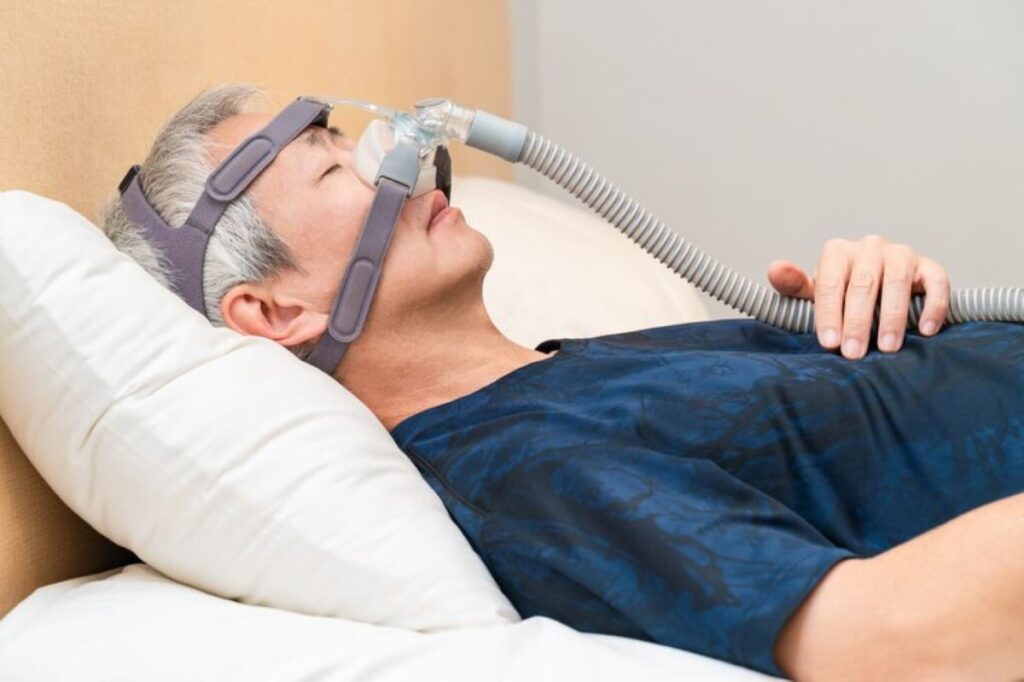
  • Nasal Masks: These masks cover the nose and are ideal for those who breathe through their nose during sleep. They are generally lightweight and provide a good seal. Many users appreciate their unobtrusive design, which allows for a more natural sleeping position without feeling overly restricted.
  • Full-Face Masks: Covering both the nose and mouth, these masks are suitable for mouth breathers or those who experience nasal congestion. They can be bulkier but offer a secure fit. Some models come with adjustable straps and cushioned linings to enhance comfort, making them a popular choice for individuals who may shift positions frequently during the night.
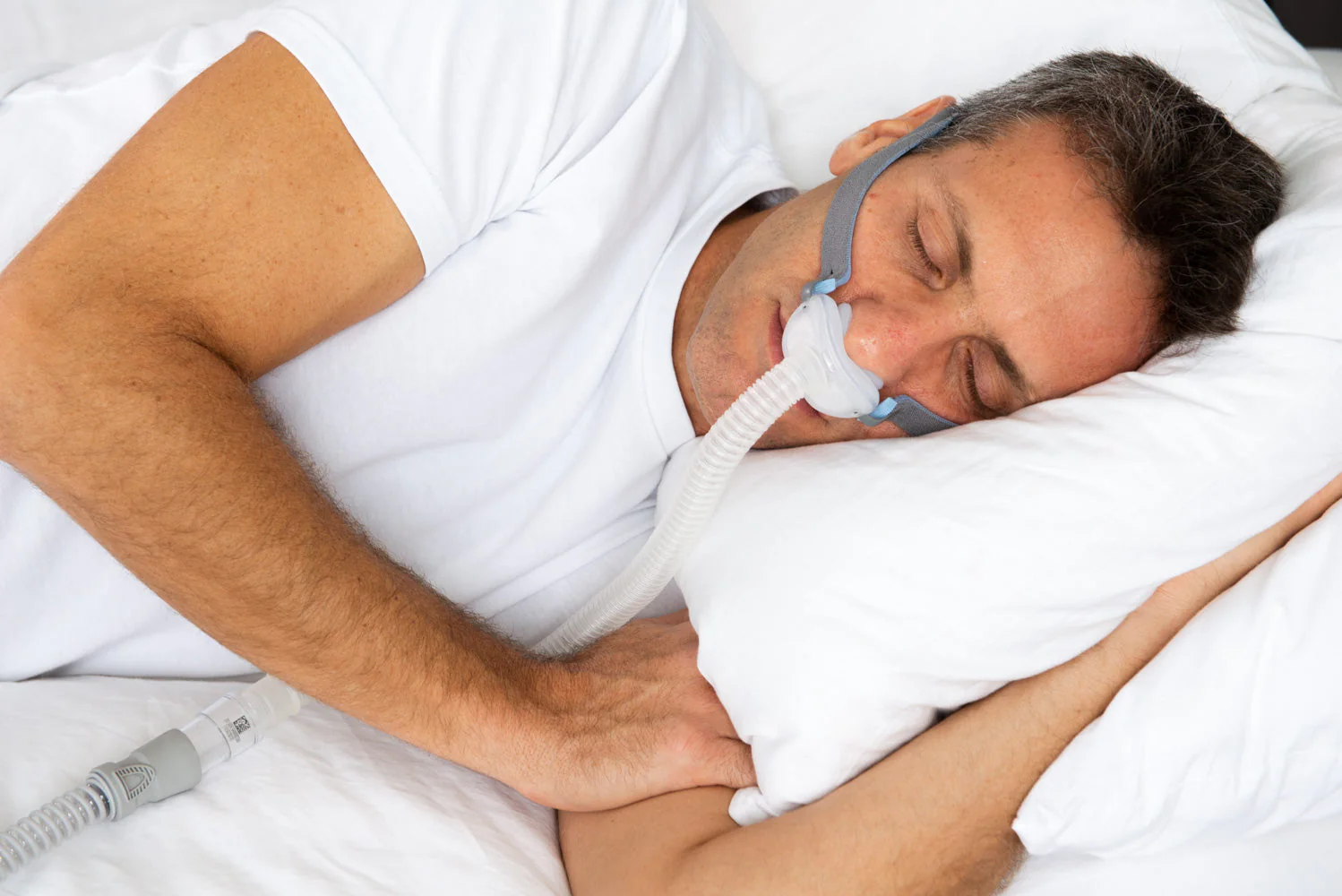
  • Nasal Pillows: These are small, cushion-like devices that fit directly into the nostrils. They are less intrusive and are often preferred by users who feel claustrophobic with larger masks. Nasal pillows can also be a great option for those who wear glasses or want to read in bed, as they provide a clear line of sight without obstruction.
Buy CPAP Mask Online

Choosing the Right Size

Finding the correct size is vital for effective therapy. An ill-fitting mask can lead to discomfort and inadequate treatment. Most manufacturers provide sizing guides, which typically include measuring the distance from the bridge of the nose to the chin or the width of the nose. Additionally, many CPAP suppliers offer fitting sessions, allowing users to try on different masks to find the best fit before making a purchase.

It is also worth considering that facial features can change over time due to weight fluctuations, aging, or other factors. Therefore, regular reassessment of mask fit is advisable, ensuring optimal therapy and comfort. Some users may also benefit from trying out different styles of masks throughout the year, as personal preferences can shift based on seasonal allergies or other health changes. Ultimately, investing time in selecting the right mask can lead to a more successful CPAP experience and improved overall well-being.

Learn more on: Best CPAP Masks for Different Sleep Styles

Researching Online Retailers

With a plethora of online retailers selling CPAP masks, it is crucial to choose a reputable source. This section outlines key factors to consider when selecting an online retailer.

Check for Accreditation

When purchasing a CPAP mask online, ensure that the retailer is accredited. Look for certifications from organisations such as the Australian Society of Sleep Medicine (ASSM) or the Therapeutic Goods Administration (TGA). Accredited retailers adhere to strict guidelines, ensuring the quality and safety of their products. Additionally, it is wise to verify that the retailer has a solid return policy in place. This is particularly important for CPAP masks, as finding the right fit can often require trying several options. A retailer that offers a hassle-free return process demonstrates confidence in their products and prioritises customer satisfaction.

Read Customer Reviews

Customer reviews can provide valuable insights into the quality and comfort of the masks. Look for reviews that specifically mention fit, comfort, and durability. Websites that allow customers to leave detailed feedback can be particularly helpful in making an informed decision. Furthermore, consider seeking out reviews on independent forums or social media groups dedicated to sleep apnea and CPAP therapy. Engaging with a community of users can yield personal experiences and recommendations that may not be available on retail sites. It’s also beneficial to pay attention to the frequency of reviews; a retailer with a large number of recent reviews may indicate a more reliable and consistent product offering compared to one with sporadic feedback. Find more about yield on https://pubmed.ncbi.nlm.nih.gov/2751785/

Making Your Purchase

Once you have selected a reputable online retailer and identified the right mask, it’s time to make your purchase. This section will guide you through the steps of finalising your order.

Creating an Account

Many online retailers require customers to create an account before making a purchase. This process typically involves providing personal information, including your name, address, and contact details. Having an account can also streamline future purchases and allow you to track your orders.

Adding to Cart and Checkout Process

After selecting the desired CPAP mask, add it to your shopping cart. Before proceeding to checkout, double-check the size and type of mask to ensure it meets your requirements. During checkout, you will be prompted to enter your shipping information and payment details. It is advisable to use secure payment methods, such as credit cards or PayPal, to protect your financial information.

Post-Purchase Considerations

After purchasing your CPAP mask, there are several important considerations to keep in mind to ensure a smooth experience.

Understanding Return Policies

Before finalising your purchase, review the retailer’s return policy. Many online retailers offer a satisfaction guarantee, allowing you to return the mask if it does not meet your expectations. Understanding the return process can save you time and frustration if you need to exchange or return the product.

Mask Maintenance and Care

Once you receive your CPAP mask, proper maintenance is essential for ensuring its longevity and effectiveness. Regular cleaning is necessary to prevent the build-up of bacteria and ensure a comfortable fit. Most masks can be cleaned with warm, soapy water, but always refer to the manufacturer’s instructions for specific care guidelines.

Common Issues and Troubleshooting

Even with the right mask, users may encounter issues that can affect their CPAP therapy. This section addresses common problems and potential solutions.

Section Image

Mask Leaks

One of the most common issues with CPAP masks is leaking. A leak can occur if the mask is not fitted correctly or if it has become worn over time. To address this, ensure that the mask is properly adjusted and that the straps are not too loose. If leaks persist, it may be time to consider a new mask.

Discomfort or Irritation

Discomfort or skin irritation can occur due to the mask’s material or fit. If irritation develops, consider using a mask liner or adjusting the straps for a better fit. Additionally, ensure that the mask is cleaned regularly to prevent skin issues related to bacteria.

Consulting with a Healthcare Professional

While purchasing a CPAP mask online can be convenient, it is essential to consult with a healthcare professional to ensure that you are making the right choice for your specific needs.

Getting a Prescription

In Australia, a prescription is often required for CPAP therapy. This means that a healthcare professional must evaluate your condition and recommend the appropriate equipment. Before purchasing a CPAP mask, ensure that you have the necessary prescription and guidance from your doctor or sleep specialist. To find more about equipment click here.

Follow-Up Appointments

Regular follow-up appointments with your healthcare provider are crucial for monitoring your progress and making any necessary adjustments to your therapy. These appointments can help identify any issues with your mask or therapy and provide an opportunity to discuss any concerns you may have.